AI Without Taste is Digital Noise:
How High-Growth Brands Integrate Generative Visuals
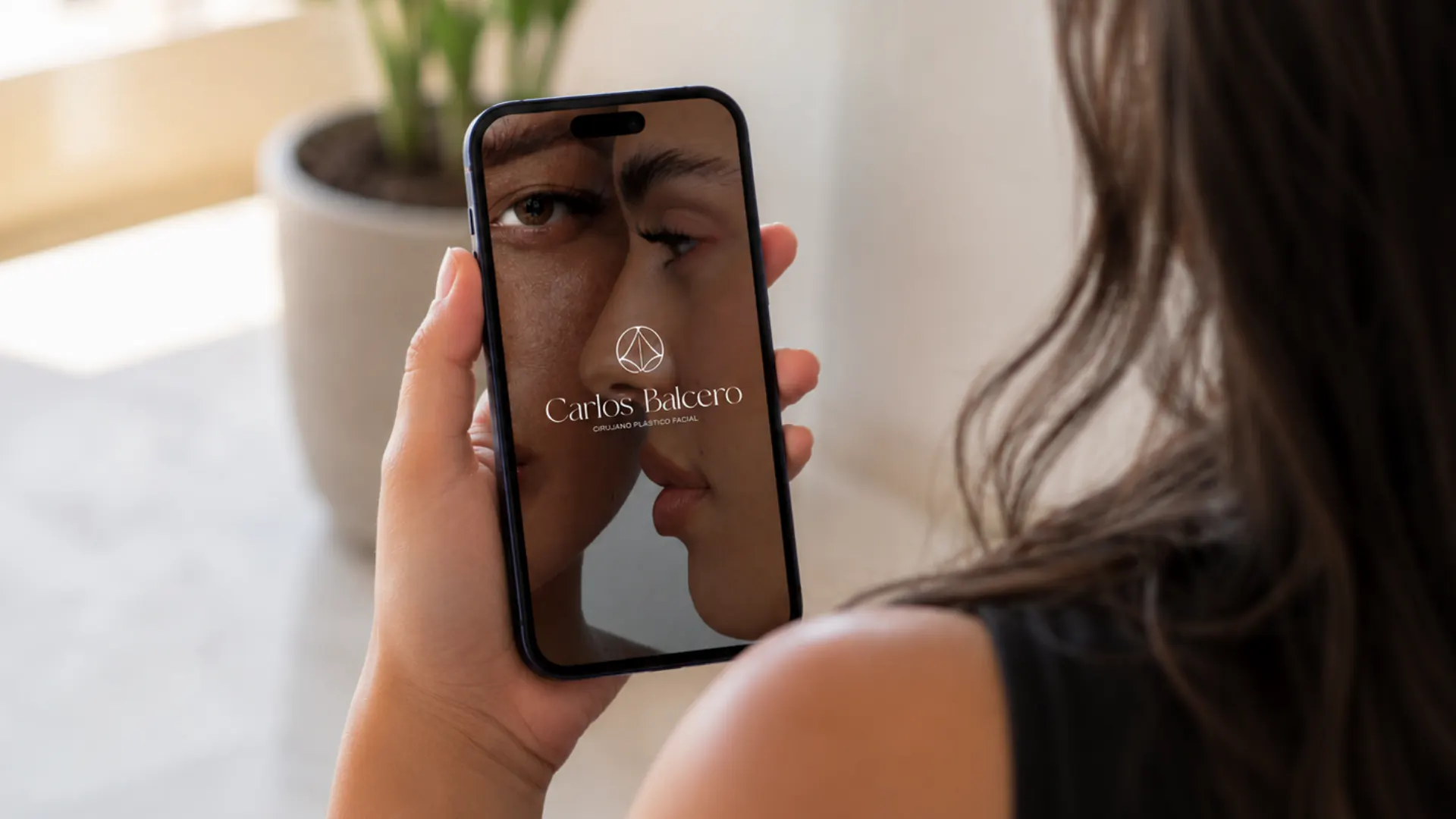
The web has been flooded with plastic, uncanny AI visuals that signal cheap shortcuts. Here is how modern design studios use custom LoRA model weights and classical photographic art direction to replace $30,000 photoshoots with breathtaking editorial fidelity.
 Written by Luis López · Creative Director
The Synthetic Sludge: Why Default AI Destroys Brand Equity
Every technological leap begins with exuberance and quickly descends into saturation. Over the past twenty-four months, millions of companies rushed to incorporate generative image tools into their marketing pipelines.
The result has been an avalanche of synthetic sludge: plastic skin textures, hyper-saturated cyan and magenta lighting, impossible eight-fingered hands, and glossy, hollow compositions that reek of prompt-engineering clichés like “photorealistic, 8k, cinematic lighting, octane render”.
To the untrained eye, these images might seem technically impressive. But to high-ticket consumers, they act as an immediate biological alarm. Human perception evolved over hundreds of thousands of years to detect subtle organic micro-cues. When an image feels artificial, the subconscious mind experiences the Uncanny Valley—a faint sensation of revulsion and distrust.
“When a brand uses default AI imagery, the implicit message to the customer is clear: 'We do not care enough about our craft to spend real effort on our presentation.' Distrust is the inevitable byproduct.”
Taste is the Last Defensible Moat in Generative Tech
As diffusion models, Flux, and Midjourney become universally accessible for $20 a month, software is no longer a competitive advantage. Anyone with an internet connection can type a prompt into a text box.
When the tools of production are commoditized, taste becomes the only defensible moat.
Taste cannot be prompted into existence by someone who has never studied the chiaroscuro of Caravaggio, the naturalistic lighting of Helmut Newton, the architectural rigor of Mies van der Rohe, or the tactile grain of 35mm Kodak Portra 400 film.
Great art direction is not about generating hundreds of random variations; it is about having the discipline to reject ninety-nine variations that look 95% correct in order to select the single frame where light, shadow, texture, and emotional resonance coalesce perfectly.
Training on Identity: Custom LoRA Weights vs Generic Prompts
Leading design studios do not rely on base commercial models. When Bwalà Studio executes an AI visual pipeline, we build custom Low-Rank Adaptation (LoRA) weights trained on proprietary visual datasets.
What is LoRA Fine-Tuning?
Rather than relying on a model's broad, generic understanding of a concept, LoRA injects a focused mathematical adapter into the neural network. By feeding the model 30 to 50 curated reference photographs of a client's physical bottle, architectural space, or textile weave, the model learns the exact geometric and surface properties of that specific object.
This unlocks capabilities that were impossible two years ago:
- Consistent Product Geometry: Glass thickness, bottle caps, and embossed logos remain 100% faithful across dozens of campaign shots.
- Controlled Lighting Presets: We can simulate the afternoon sunlight through a Parisian Haussmann window or the cold studio strobe of a Swiss design lookbook with mathematical repeatability.
- Elimination of the “AI Sheen”: By injecting real film grain profiles and chromatic aberrations, the synthetic gloss is replaced by organic tactility.
The Hybrid Studio: Merging Editorial Eye with Machine Scale
The most successful creative workflows are never purely human or purely automated; they are deeply hybrid.
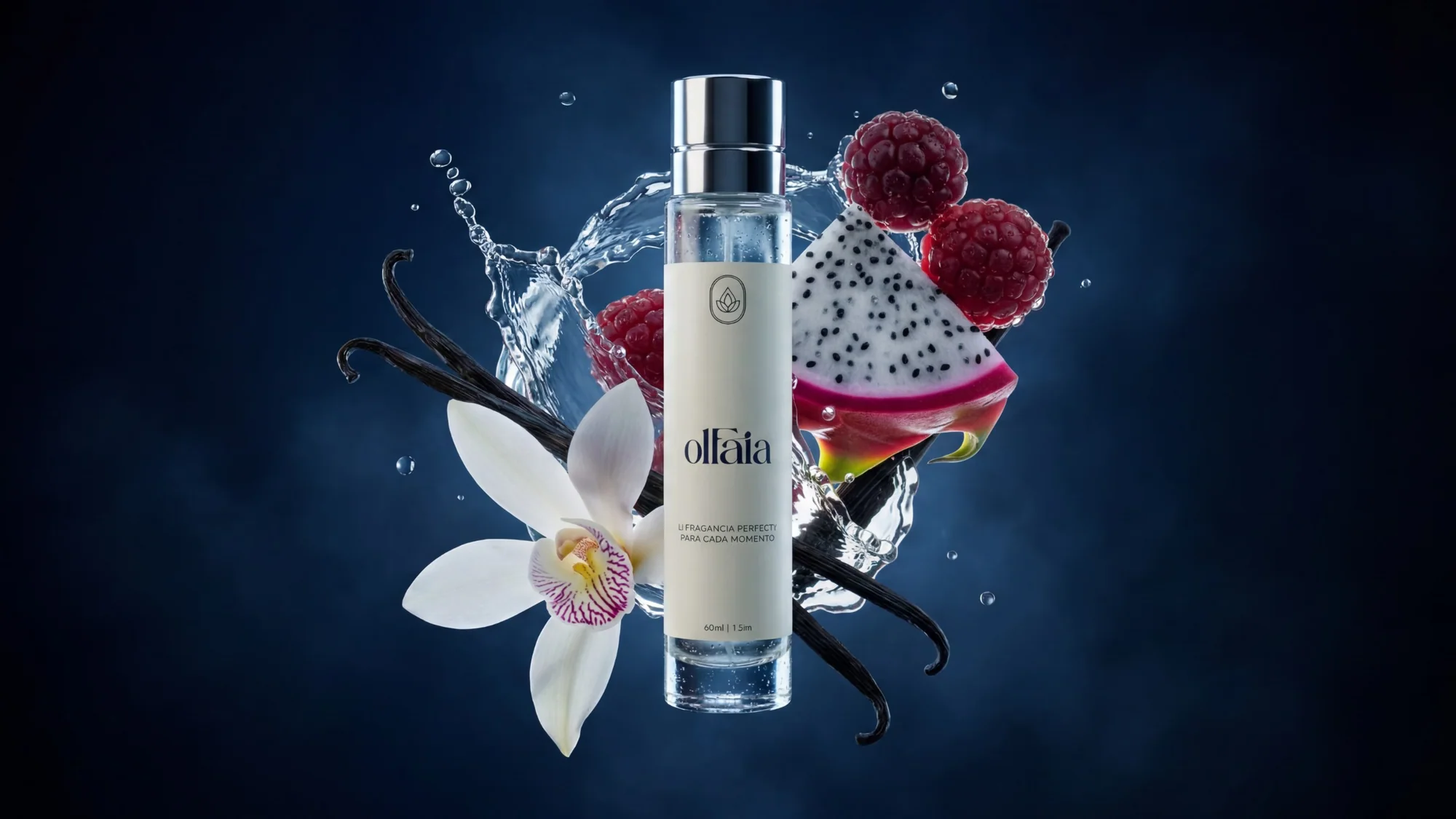
Consider our case study with Olfaia, an artisanal fragrance brand. A traditional high-fashion editorial campaign would have required flying models, stylists, photographers, and lighting crews to southern France, costing upwards of $35,000 for a dozen final selects.
| Campaign Stage | Traditional High-End Production | Bwalà Hybrid AI Pipeline |
|---|---|---|
| Pre-Production | 4–6 weeks (location scouting, model booking) | 4 days (curation of moodboards, LoRA dataset setup) |
| Asset Execution | 1–2 shooting days; limited to 15 final selects | Algorithmic exploration with 500+ curated iterations |
| Art Direction & Retouching | High-end manual retouching ($150/hr per image) | Pixel-level compositing, grain integration, and grading |
| Cost Basis | $28,000 – $45,000 | Fraction of traditional spend, 10x asset volume |
Because human art directors governed every step—from color balance to depth-of-field falloff—the final campaign assets published on Olfaia's flagship Shopify store were celebrated by fragrance connoisseurs who never once suspected that the imagery was generated in code.
How Discerning Companies Deploy AI Visuals Today
If your company intends to leverage generative AI without compromising luxury positioning, follow three non-negotiable rules:
- Never publish raw outputs: Every generated visual must pass through editorial color grading and composite finishing in Photoshop. Fix micro-artifacts, balance eye reflections, and restore realistic hair dynamics.
- Anchor in physical reality: Combine generative backgrounds with real physical product photography whenever possible. The tactile authenticity of real glass, metal, or skin anchors the viewer's perception.
- Measure by emotional resonance: Do not ask “Does this look real?” Ask “Does this evoke desire?” If the image lacks mood, tension, and narrative depth, it does not belong on your brand's flagship touchpoints.
Technology is merely the brush. Taste is the painting.